The Rise Of Bitcoin Trading: Unpacking The World Of Cryptocurrency

The Rise of Bitcoin Trading: Unpacking the World of Cryptocurrency
Cryptocurrency is revolutionizing the financial world, offering a speedier, safer, and more open way to transact. Envision a money that is impossible to fake and deals that occur immediately worldwide .
The Rise of Bitcoin Trading: Unpacking the World of Cryptocurrency

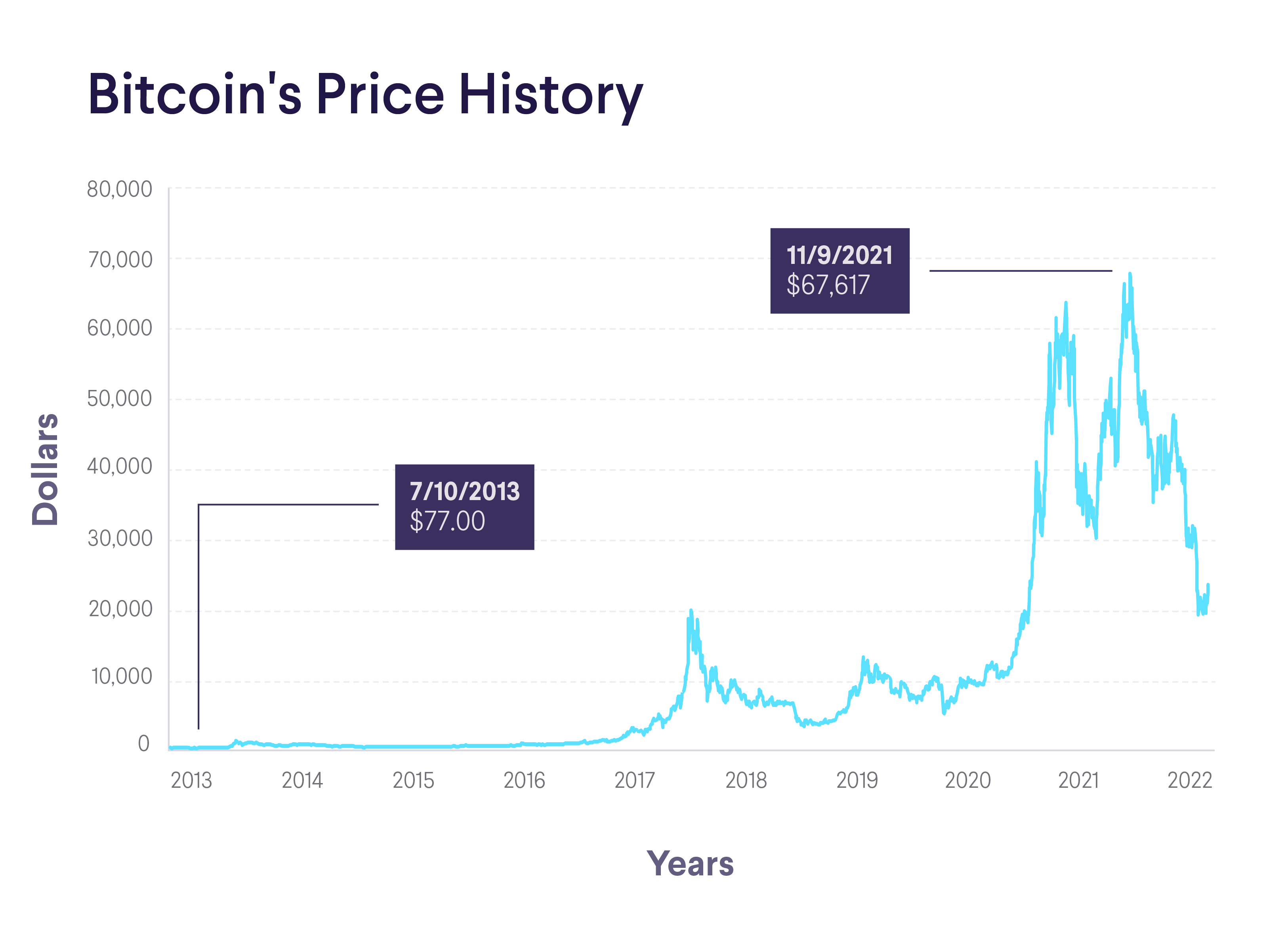
In the ever-evolving landscape of financial markets, a new phenomenon has emerged: Bitcoin trading. This cutting-edge form of investment has captured the attention of investors, traders, and enthusiasts worldwide. As the most popular cryptocurrency, Bitcoin has been at the forefront of this revolution, with its value skyrocketing in recent years. But what drives its price fluctuations, and how can you navigate the complex world of Bitcoin trading?
Understanding Bitcoin and Cryptocurrencies
Bitcoin, created in 2009 by an anonymous individual or group known as Satoshi Nakamoto, was the first decentralized digital currency. This digital gold standard allows for peer-to-peer transactions without the need for intermediaries, such as banks. Bitcoin’s decentralized nature relies on a network of computers solving complex mathematical problems, thereby validating transactions and adding new blocks to the blockchain. This secure and transparent system has made Bitcoin a highly sought-after investment option.
Key Characteristics of Cryptocurrencies
When trading cryptocurrencies, it’s essential to understand their fundamental characteristics. Some key features include:
- Decentralization: Unlike traditional currencies, which are controlled by central banks, cryptocurrencies are decentralized and not regulated by any government or institution.
- Limited Supply: The total supply of most cryptocurrencies is capped, creating scarcity and potentially driving up demand.
- Blockchain Technology: Cryptocurrencies utilize blockchain technology to record transactions, making them secure and transparent.
- Market Volatility: Cryptocurrencies are known for their price fluctuations, which can be influenced by various factors, including market sentiment, regulatory announcements, and adoption rates.

Types of Bitcoin Traders
Bitcoin traders can be broadly categorized into three types:
- Hodlers: These individuals hold onto their Bitcoin, often in anticipation of long-term appreciation in value.
- Traders: Traders aim to profit from short-term price fluctuations, buying and selling Bitcoin frequently throughout the day.
- Investors: Similar to traders, investors diversify their portfolios by allocating funds to Bitcoin, aiming to achieve long-term growth.

Bitcoin Trading Strategies
As Bitcoin trading is a high-risk, high-reward endeavor, several strategies have been developed to maximize profitability:
- Day Trading: Traders buy and sell Bitcoin within the same trading day, trying to profit from short-term price movements.
- Swing Trading: Investors aim to profit from medium-term price fluctuations, holding onto positions for a few days or weeks.
- Position Trading: Long-term traders hold onto their Bitcoin for months or even years, anticipating significant price appreciation.
Key Factors Influencing Bitcoin Prices
Bitcoin’s price is influenced by numerous factors, including:
- Supply and Demand: When demand exceeds supply, prices tend to rise.
- Regulatory Announcements: Government regulations and proposals can significantly impact Bitcoin’s price.
- Market Sentiment: Public perception and sentiment can influence the price of Bitcoin.
- Global Economic Trends: Economic indicators, such as inflation and interest rates, can impact investor confidence in Bitcoin.
Tools and Platforms for Bitcoin Trading
Various platforms and tools have emerged to facilitate Bitcoin trading, offering a range of benefits:
- Binance: A popular cryptocurrency exchange offering a wide range of trading pairs.
- Blockchain.com: A well-established platform for buying, selling, and trading Bitcoin.
- Trailing Stop Losses: A risk management tool that helps traders limit potential losses.
- Wallet Services: Secure storage options, such as Ledger and Trezor, to safeguard your Bitcoin.
Tax Implications of Bitcoin Trading
As Bitcoin trading has become more mainstream, tax authorities have taken a closer look at its implications:
- Capital Gains Tax: Traders may be liable for capital gains tax on profits made from selling Bitcoin.
- Income Tax: Investors may face income tax on earnings from dividends or interest.
- IRS Guidance: The Internal Revenue Service (IRS) has provided detailed guidelines on how to report cryptocurrency transactions.
Cryptocurrency Exchanges and Their Risks
Cryptocurrency exchanges, such as Binance, Coinbase, and Huobi, facilitate the buying, selling, and trading of Bitcoin and other cryptocurrencies:
- Risk of Loss: Theft of funds, exchange closures, or hacking attacks can result in significant losses.
- Market Manipulation: Some exchanges may engage in market manipulation, adversely impacting prices.
- Liquidity Risks: Differences in market liquidity across various exchanges can result in significant price variations.
Security Considerations for Bitcoin Trading
Bitcoin trading involves inherent risks, particularly when it comes to security:
- Secure Private Keys: It’s crucial to store your private keys securely to prevent unauthorized access.
- Exchange Security: Traders should verify the security measures in place at their chosen exchange.
- Use of Two-Factor Authentication: Implementing two-factor authentication can provide an additional layer of security.
Bitcoin Regulation and Acceptance
As the popularity of Bitcoin trading grows, regulatory frameworks and acceptance rates are also increasing:
- Global Regulation: Governments worldwide are establishing regulatory frameworks to oversee the cryptocurrency market.
- Government Adoption: Some countries are embracing Bitcoin, integrating it into financial systems or creating regulatory frameworks.
Bitcoin Trading Psychology
Bitcoin trading involves a psychological aspect, as emotions and perception can significantly impact decision-making:
- Fear and Greed: During market downturns, fear may take over, leading to irrational decisions. Conversely, greed can drive traders to buy high and sell low.
- Confirmation Bias: Traders may rely on flawed assumptions or incomplete information when making investment decisions.
Maximizing Profitability in Bitcoin Trading
To achieve success in Bitcoin trading, it’s essential to adopt sound strategies and a disciplined mindset:
- Education: Continuously educate yourself on Bitcoin, trading, and market analysis.
- Risk Management: Develop a plan to mitigate potential risks and losses.
- Diversification: Spread investments across different assets to minimize exposure to Bitcoin’s volatility.
Conclusion
Bitcoin trading has emerged as a high-risk, high-reward phenomenon, captivating investors and traders worldwide. Understanding its fundamental characteristics, key factors influencing prices, and available tools and platforms is crucial for navigating the complex world of cryptocurrency. By adopting a solid trading strategy, staying informed, and maintaining a level head, even the most experienced traders can maximize their profitability in the ever-unpredictable world of Bitcoin trading.
Post a Comment