The Rise And Fall Of Terra Luna Crypto: A Cryptic Tale Of Ambition And Disaster

The Rise and Fall of Terra Luna Crypto: A Cryptic Tale of Ambition and Disaster
Virtual currency is upending the financial world, offering a quicker, more secure, and clearer way to transact. Picture a form of money that is counterfeit-proof and trades that take place instantly globally.
The Rise and Fall of Terra Luna Crypto: A Cryptic Tale of Ambition and Disaster
In May 2022, the cryptocurrency world witnessed the collapse of Terra (LUNA), a once-promising and ambitious project that claimed to offer a decentralized, community-driven blockchain ecosystem. Founder Do Kwon’s ambitious vision, which aimed to create a stablecoin that was pegged to the value of the US dollar, attracted billions of dollars in investment. However, what followed was a catastrophic decline that left investors reeling and the cryptocurrency market stunned. In this article, we’ll delve into the story of Terra Luna, its rise to prominence, and the factors that led to its downfall.
What is Terra Luna Crypto?
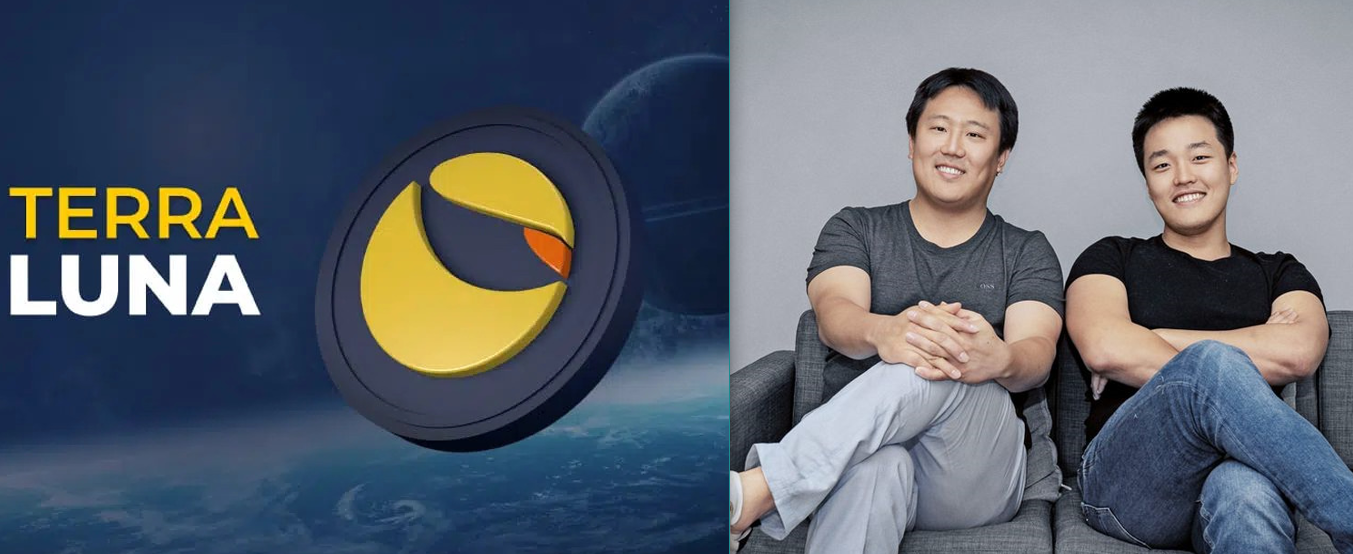
Terra Luna, commonly known as LUNA, is an open-source decentralized blockchain protocol that was initially launched in 2018 under the name Terra. The project was founded by Do Kwon, a South Korean entrepreneur, and Daniel Shin, a fellow entrepreneur and investor. Kwon, who once served as an executive at Samsung Securities, envisioned a decentralized finance (DeFi) platform that would provide a stable and secure alternative to traditional financial systems.
Terra Luna’s design was centered around the concept of a stablecoin, a cryptocurrency that’s pegged to the value of a fiat currency, in this case, the US dollar. The project employed a unique mechanism called "algorithmic stability" to keep the Terra stablecoin’s value stable.
The Algorithmic Stability Mechanism
The Terra blockchain used a dual-token system to maintain the stability of its stablecoin. This system consisted of two tokens: UST (TerraUSD) and LUNA. Investors could swap UST for LUNA, and vice versa, in a process called "minting" and "burning." The Terra protocol used an algorithm that automatically adjusted the supply of UST and LUNA tokens based on market conditions to ensure the stablecoin’s value remained pegged to the US dollar.
The Rise of Terra Luna: Factors Contributing to its Popularity
Several factors contributed to the rise of Terra Luna in the cryptocurrency market. Some of the key reasons include:
Mining Process
Terra Luna introduced a novel mining process called "Proof of Stake Plus" (PoS+). Unlike traditional Proof of Stake (PoS) models, which reward validators based solely on the number of tokens they hold, Terra’s PoS+ mechanism employed a modular design. This allowed for a more efficient and secure validation process, which made Terra’s network more attractive to validators and, consequently, its ecosystem more robust.

Stablecoin Story
The Terra stablecoin’s remarkable success in maintaining its pegged value to the US dollar fueled its popularity. Terra’s ability to execute seamless swaps between UST and LUNA helped to gain the trust of investors and bolster confidence in the project.
Community Engagement
Terra Luna fostered a strong community, which contributed significantly to the platform’s success. With extensive marketing and developer tools, Terra attracted a large pool of developers and partners, who actively contributed to the ecosystem’s growth and maintenance.
The Collapse of Terra Luna

Despite its promising start, Terra Luna faced numerous challenges that ultimately led to its collapse. Some of the critical factors contributing to the downfall include:
Unprecedented Market Volatility
The Terra ecosystem struggled to cope with the stress caused by excessive market volatility. The collateralization of UST with LUNA, which formed the stablecoin, was directly exposed to the fluctuations in Terra’s native cryptocurrency price. This lack of economic strength set the stage for a crippling collapse of the system.
Holders Panic
Panic selling of the Terra stablecoin (UST) by investors, after detecting potential flaws in the algorithmic stability mechanism, occurred beginning May 8, 2022. Such sentiment created a vicious feedback loop: As investors abandoned the stablecoin, they sold their UST, which further destabilized the system by depreciating the stablecoin. LUNA holders subsequently panicked as well.
Factors Contributing to the Unraveling of Terra Luna’s Algorithmic Stability Mechanism
Terra Luna’s internal dynamics, combined with external factors, contributed to the destabilization of the ecosystem. Some key factors that played a role include:
Internal Factors
- Too Large Reserve Requirement
Terra held a very high reserve ratio of approximately 38%, to prevent holders of the stablecoin from using them to create an over-abundance of LUNA, hence, maintain market equilibrium in price by LUNA tokens backed with real assets. In practice, liquidity became an issue concerning transactions as a result.
- Over-reliance on Anchor
Anchor, a lending protocol released on the Terra ecosystem in mid-2022, created overcollateralized debt in UST and increased LUNA demand, in effect de-stabilizing the peg through high demand for LUNA.
- Excessive and Inefficient Token Creation
When there was high demand for LUNA to peg UST within Terra’s algorithmic mechanism, users turned to external and exploitative ways to get it, as it led to unhealthy price inflation of Terra’s native LUNA.
External Factors
- Speculative Trading
Speculative and day-trading practices occurred when more and more retailers began speculating using Terra assets. Their practice diminished faith within the community and turned to bear in which it could significantly increase trading platform market fees and decrease liquidity in the unstable market environment at Terra.
- Governmental Intervention Deterrents
Chinese regulators introduced an eventual trading restriction on, which effectively created insurmountable difficulties for the network because authorities saw potential instability spread which could upset China’s sensitive market equilibrium.
A Post-Mortem of Terra Luna’s Failure and Its Lessons Learned
In conclusion, Terra Luna was once a top-fund performing rival of high yield generating stablecoins in Crypto space, only to be involved in catastrophic investment losses due to regulatory interference, market speculation, fundamental economic and liquidity problems of such implementation. Terra Luna, despite ending with massive investors losses, will inspire investment decision on crypto and DeF systems in the future.
Lessons to be Learned
Key lessons from Terra’s collapse can be derived in order to improve safe decentralized market practices in decentralized ecosystems, both while trying to steer the market forward together safely in harmony, but through regulation understanding to a more informed future generation of investors. Firstly, crypto funds have to be mindful of the true underlying economic structure when investing in it, avoiding unstable investment that poses large risk exposure.
Avoid Over-hyping Assets
Another clear risk indicator facing cryptocurrency traders in decentralized economies is overhyped speculative hype-driven tokens that could collapse without warning and financial warning when it doesn’t meet its obligations, resulting in significant impacts on portfolios held by public asset funds.
Watch Out for Unstable Pairings
Watch out for unstable stability pairings, tokens trading against each other which won’t ensure price correlations if the value for latter tends to become worthless first.
Conclusion
Terra Luna, one time among the much-awaited to succeed Ethereum, had finally turned to become, in turn, another example of crypto assets vulnerable to catastrophic liquidity shortages, exposed after series of overzealous use of fundamental economic reasoning that had never previously tested their algorithm. But by looking at a series of assets created yesterday having with severe pitfalls to their potential adoption on long periods into the feature is this only the beginning of true innovation as many young entrepreneurs compete in racing towards building more scalable, community-owned with their visions.
Following these observations, blockchain technology may continue advancing and gain widespread recognition for its community-driven innovation, paving the road to what is expected in a new market regime dominated only by cryptocurrency decentralized independent mediums of exchange.
Post a Comment