The Revolutionary World Of NFT Coins: Unlocking New Possibilities In Digital Asset Ownership

The Revolutionary World of NFT Coins: Unlocking New Possibilities in Digital Asset Ownership
Virtual currency is upending the financial world, offering a faster, safer, and more transparent way to transact. Envision a money that is impossible to fake and deals that occur immediately worldwide .
The Revolutionary World of NFT Coins: Unlocking New Possibilities in Digital Asset Ownership
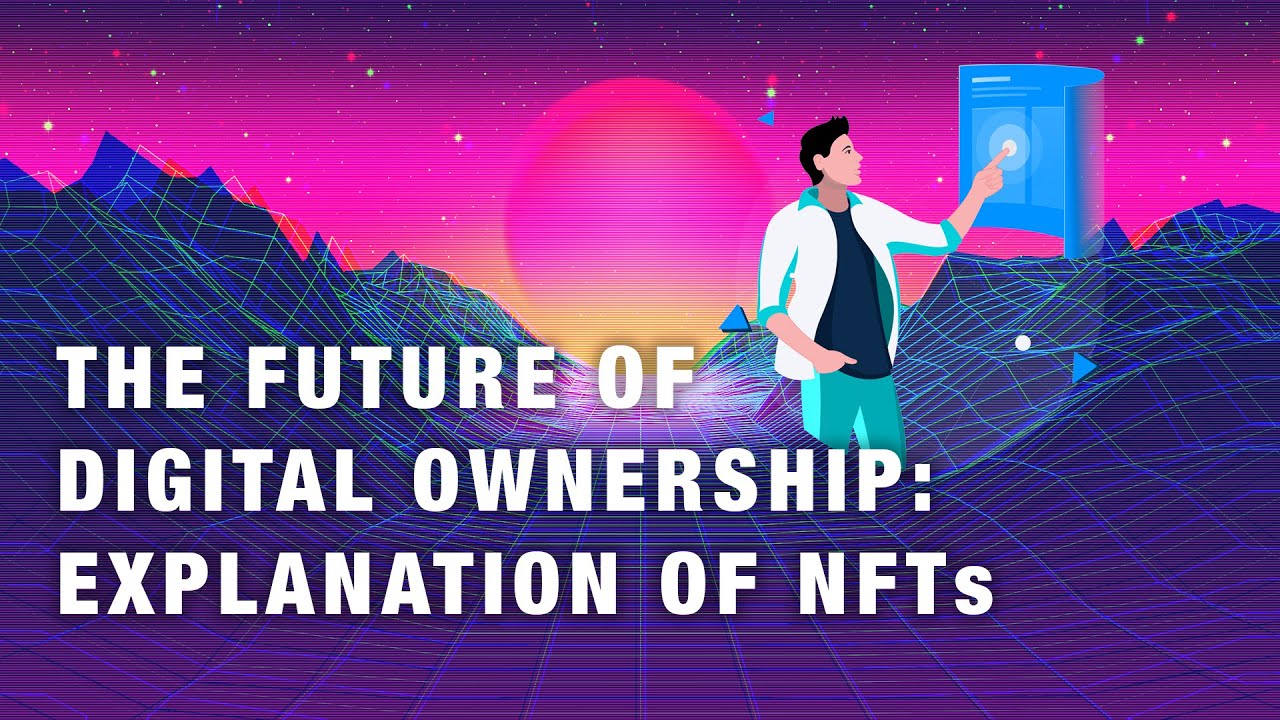
In the realm of cryptocurrency and digital assets, a new concept has emerged that is changing the way we think about ownership and value. The NFT coin, or Non-Fungible Token coin, is a type of digital asset that has captured the attention of investors, artists, and collectors around the world. With its unique capabilities and characteristics, the NFT coin is opening up new avenues for investment, innovation, and creativity. In this article, we will delve into the world of NFT coins, exploring their concept, benefits, and potential applications.
What are NFT Coins?
So, what exactly is an NFT coin? In essence, an NFT coin is a unique digital token that represents ownership of a particular asset, such as a piece of artwork, a collectible, or even a rare in-game item. Unlike traditional cryptocurrencies like Bitcoin or Ethereum, which are both fungible and transferable, NFT coins are non-fungible, meaning that each token is one-of-a-kind and cannot be replaced by another identical token.
NFT coins are typically created using blockchain technology, which allows for secure, transparent, and decentralized transaction records. This ensures that the ownership and provenance of the asset are securely stored and can be easily verified. NFT coins can be used to represent a wide range of assets, including digital art, collectibles, rare items, or even real-world objects.
Benefits of NFT Coins
So, what makes NFT coins so exciting? Here are some of the key benefits of NFT coins:
- Unique Ownership: NFT coins offer unique ownership and provenance of digital assets, making them ideal for rare and valuable items.
- Security: Blockchain technology ensures that NFT coins are secure, transparent, and tamper-proof.
- Decentralized: NFT coins are decentralized, meaning that they are not controlled by any single entity or institution.
- Scalability: NFT coins can be easily traded, transferred, and stored, making them scalable for large-scale applications.
- Diversification: NFT coins offer a new asset class for investors to diversify their portfolios and potentially generate returns.

Applications of NFT Coins
So, how are NFT coins being used in various industries and applications? Here are some examples:

Art and Collectibles
NFT coins are being used by artists to create unique digital art pieces that can be bought, sold, and traded like traditional art. This allows artists to monetize their creations and connect directly with collectors and buyers.
Gaming
NFT coins are being used in the gaming industry to represent in-game items, characters, or assets. This allows players to own unique digital assets that can be transferred or sold to other players.
Real Estate
NFT coins are being used in the real estate industry to represent ownership of real-world assets, such as property or land.
E-commerce
NFT coins are being used in e-commerce to represent ownership of digital goods, such as digital art, music, or collectibles.
How to Create NFT Coins
So, how do you create NFT coins? Here are the general steps:
- Choose a blockchain platform: Select a blockchain platform that supports NFT coin creation, such as Ethereum, Polkadot, or Flow.
- Design and create your NFT coin: Design and create your unique digital asset, such as a piece of art, a collectible, or a rare item.
- Use a development platform: Use a development platform, such as OpenSea or Rarible, to create and launch your NFT coin.
- List and trade: List and trade your NFT coin on a blockchain-based marketplace, such as OpenSea or Rarible.
Challenges and Risks of NFT Coins
While NFT coins offer many benefits, they also come with some challenges and risks. Here are some of the key concerns:
- Scalability: NFT coins are still a relatively new concept, and their scalability is a major concern.
- Regulation: NFT coins are subject to various regulations and laws, which can be unclear or inconsistent.
- Market volatility: NFT coins are subject to market volatility, which can result in price fluctuations.
- Security: NFT coins are also subject to security risks, such as hacking and theft.
Conclusion
In conclusion, NFT coins are a revolutionary concept that is changing the way we think about ownership and value. With their unique capabilities and characteristics, NFT coins are opening up new avenues for investment, innovation, and creativity. While there are challenges and risks associated with NFT coins, they also offer many benefits, such as unique ownership, security, decentralization, scalability, and diversification. As the cryptocurrency and digital asset markets continue to evolve, it is likely that NFT coins will play an increasingly important role in shaping the future of digital asset ownership.
What’s Next?
As the NFT coin market continues to grow and evolve, we can expect to see new applications, uses, and innovations emerge. Some potential areas of growth include:
- Mainstream adoption: As more people become aware of NFT coins, we can expect to see mainstream adoption and acceptance.
- Regulatory clarity: As governments and regulatory bodies become more familiar with NFT coins, we can expect to see clearer regulations and guidelines.
- Scalability solutions: As the demand for NFT coins grows, we can expect to see the development of scalability solutions to meet the needs of users.
- New use cases: As NFT coins continue to evolve, we can expect to see new use cases and applications emerge, such as in gaming, real estate, and e-commerce.
Whether you’re an investor, artist, collector, or just interested in learning more about NFT coins, the possibilities and potential of this revolutionary concept are vast and exciting.
Post a Comment