The Cryptocurrency Price Phenomenon: Unraveling The Mystery Behind The Volatility

The Cryptocurrency Price Phenomenon: Unraveling the Mystery Behind the Volatility
Cryptocurrency is upending the financial world, offering a quicker, more secure, and clearer way to transact. Picture a form of money that is counterfeit-proof and trades that take place instantly globally.
The Cryptocurrency Price Phenomenon: Unraveling the Mystery Behind the Volatility
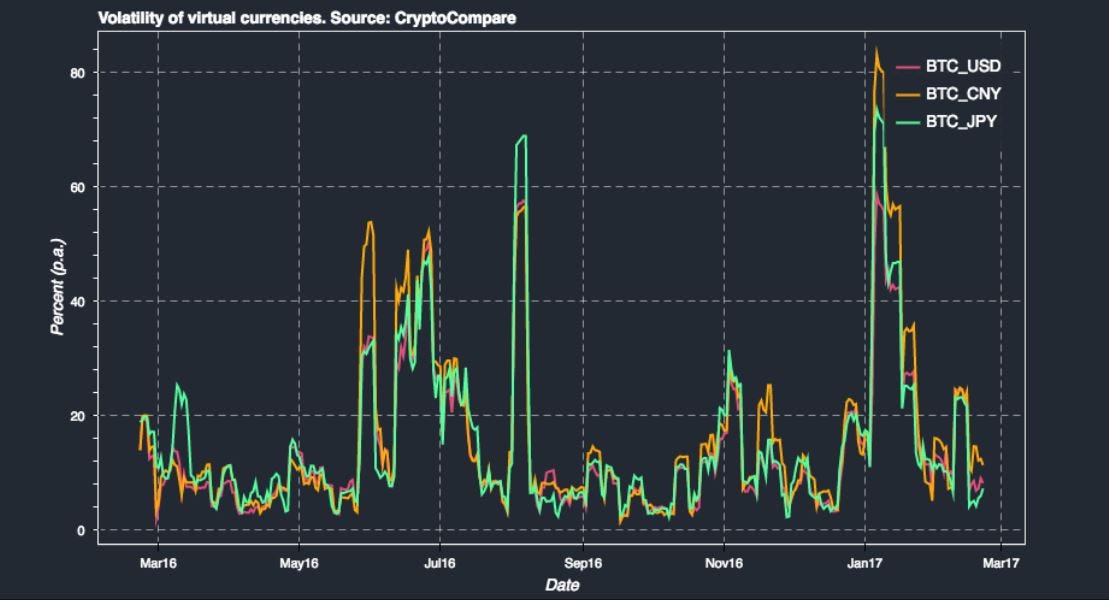
In today’s digital age, cryptocurrency price has become a hot topic of discussion, captivating the imagination of millions worldwide. The prices of cryptocurrencies such as Bitcoin, Ethereum, and others have been known to fluctuate wildly, making it seem like a rollercoaster ride for investors. The cryptocurrency market is known for its high volatility, and understanding the factors that influence cryptocurrency price is crucial for anyone looking to invest in this space. In this article, we will delve into the world of cryptocurrency price, exploring the factors that drive its volatility and what you need to know to navigate this wild ride.
Understanding the Basics of Cryptocurrency Price
Before we dive into the complex factors that influence cryptocurrency price, let’s first understand the basics. Cryptocurrencies are digital or virtual currencies that use cryptography for secure financial transactions. They are decentralized, meaning that they are not controlled by any central authority, and are based on a decentralized technology called blockchain. The total supply of cryptocurrencies is capped, and new coins are created through a process called mining. The value of cryptocurrencies is determined by the forces of supply and demand in the market.
Supply and Demand: The Fundamental Forces Behind Cryptocurrency Price
The supply and demand forces are the fundamental drivers of cryptocurrency price. When the demand for a cryptocurrency increases, its price tends to rise, and when the supply increases, its price tends to fall. There are several factors that influence the supply and demand of cryptocurrencies, including:
Miner Concentration
The concentration of miners, also known as mining pools, can influence the supply of new coins. When a few large mining pools dominate the market, the supply of new coins can become limited, driving up the price. Conversely, when a large number of smaller mining pools operate, the supply of new coins can increase, driving down the price.
Network Activity
The level of network activity, such as the number of transactions per day, can also influence the supply and demand of cryptocurrencies. When the network is experiencing high activity, the demand for the cryptocurrency tends to increase, causing its price to rise. Conversely, when the network is experiencing low activity, the demand for the cryptocurrency tends to decrease, causing its price to fall.
Adoption and Usage

The adoption and usage of cryptocurrencies by businesses and individuals can significantly influence the demand for the cryptocurrency. When a cryptocurrency is widely accepted as a form of payment, its demand tends to increase, causing its price to rise. Conversely, when a cryptocurrency is not widely accepted, its demand tends to decrease, causing its price to fall.
Market Sentiment
Market sentiment, or the emotional state of investors, can also play a significant role in influencing cryptocurrency prices. When there is a sense of euphoria or FOMO (fear of missing out) in the market, investors tend to buy more of the cryptocurrency, causing its price to rise. Conversely, when there is a sense of fear or panic, investors tend to sell their cryptocurrencies, causing its price to fall.
Regulatory Environment: A Significant Influencer of Cryptocurrency Price
The regulatory environment in which cryptocurrencies operate is another significant factor that influences cryptocurrency price. When governments and regulatory bodies impose strict regulations on cryptocurrencies, the demand for them tends to decrease, causing their price to fall. Conversely, when governments and regulatory bodies adopt a favorable regulatory framework, the demand for cryptocurrencies tends to increase, causing their price to rise.

National and International Regulations
National and international regulations can significantly influence the price of cryptocurrencies. In 2017, the Chinese government banned initial coin offerings (ICOs), which had a significant impact on the cryptocurrency market. The ban led to a decline in the price of popular cryptocurrencies like Bitcoin and Ethereum.
Security and Exchanges
The security and exchange infrastructure of cryptocurrencies can also play a significant role in influencing their price. When exchanges are hacked or experience technical issues, the price of the affected cryptocurrency tends to decline. Conversely, when exchanges are secure and operate smoothly, the price of the affected cryptocurrency tends to rise.
Market Flows: Understanding Buy and Sell Orders

Market flows, including buy and sell orders, are another significant factor that influences cryptocurrency prices. When there is a high volume of buy orders, the price of the cryptocurrency tends to rise, and when there is a high volume of sell orders, the price of the cryptocurrency tends to fall.
Order Book Analysis
Order book analysis is a technique used to analyze the buy and sell orders on an exchange. It involves analyzing the orders on the order book, which shows the prices and quantities of buy and sell orders. By analyzing the order book, traders and investors can gain insights into the market sentiment and make more informed investment decisions.
Volume Analysis
Volume analysis is another technique used to analyze market flows. It involves analyzing the quantity of buy and sell orders, which helps to identify areas of support and resistance. By analyzing volumes, traders and investors can gain insights into the market sentiment and make more informed investment decisions.
Cryptocurrency Price Prediction: Challenges and Limitations
Predicting cryptocurrency prices is a challenging task, as the market is subject to numerous variables and uncertainties. While there are several methods and techniques used to predict cryptocurrency prices, none of them can guarantee accurate predictions.
Technical Analysis
Technical analysis is a popular method used to predict cryptocurrency prices. It involves analyzing charts and patterns to identify trends and make predictions about future prices. However, technical analysis is not foolproof, and market events can often invalidate the predictions.
Fundamental Analysis
Fundamental analysis is another method used to predict cryptocurrency prices. It involves analyzing the fundamentals of a cryptocurrency, such as its adoption rate, mining difficulty, and network activity. However, fundamental analysis is also subject to limitations, as the cryptocurrency market is highly volatile and subject to market sentiment.
Machine Learning and AI
Machine learning and AI are being used increasingly to predict cryptocurrency prices. These techniques involve training models on historical data to make predictions about future prices. However, machine learning and AI are not foolproof, and the quality of the data used to train the models can significantly impact the accuracy of the predictions.
Conclusion: Understanding Cryptocurrency Price Is Crucial for Investment Success
In conclusion, understanding cryptocurrency price is crucial for investment success. The forces of supply and demand, miner concentration, network activity, adoption and usage, and market sentiment all play significant roles in influencing cryptocurrency prices. Additionally, the regulatory environment, security and exchanges, and market flows, including buy and sell orders, also significantly impact cryptocurrency prices. While predicting cryptocurrency prices is challenging and subject to limitations, by understanding the factors that influence prices, traders and investors can make more informed investment decisions. Remember, investing in cryptocurrencies is a high-risk, high-reward investment opportunity, and it’s essential to do your research and consult with a financial advisor before making any investment decisions.
Getting Started with Cryptocurrency Trading
If you’re new to cryptocurrency trading, getting started can seem daunting. Here are some steps you can follow to get started:
- Educate yourself: Before investing in cryptocurrencies, it’s essential to educate yourself about the market, its risks, and its rewards.
- Choose a reputable exchange: There are numerous cryptocurrency exchanges available online, but not all of them are created equal. Choose a reputable exchange that offers a high level of security, liquidity, and competitive fees.
- Set up a Trading Account: Once you’ve chosen a reputable exchange, set up a trading account and fund it with the cryptocurrency of your choice.
- Start small: Cryptocurrency trading can be volatile, and it’s essential to start small and gradually increase your investments as you gain experience.
- Continuously learn and improve: Cryptocurrency trading is a constantly evolving field, and it’s essential to continuously learn and improve your skills to stay ahead in the market.
Final Tips and Recommendations
Investing in cryptocurrencies is a high-risk, high-reward investment opportunity. Always do your research, consult with a financial advisor, and never invest more than you can afford to lose.
- Diversify your portfolio: Cryptocurrencies are highly volatile, and it’s essential to diversify your portfolio by investing in multiple assets to minimize your risk exposure.
- Monitor market developments: Stay up-to-date with market developments, including changes in regulatory frameworks, adoption rates, and market sentiment.
- Set clear investment goals: Set clear investment goals, and stick to them to avoid emotional decision-making.
- Don’t fall for FOMO: Fear and greed can drive investment decisions, so never invest based on FOMO or emotions.
- Consider long-term investing: Cryptocurrencies are known for their volatile short-term prices, but they can provide long-term gains. Consider investing for the long term to ride out market fluctuations.
Cryptocurrencies are known to have high volatility. Their price fluctuates due to market sentiment and regulatory events. Your investment portfolio can get damaged as well.
Post a Comment